





Description
Quartz: A Comprehensive Overview
Quartz is one of the most abundant and versatile minerals on Earth. Composed of silicon dioxide (SiO₂), it is the second most common mineral in the Earth’s crust after feldspar. Known for its hardness, transparency, and resistance to weathering, quartz has been a critical material in various industries for millennia. From jewelry and electronics to construction and metaphysical practices, quartz plays an essential role in modern society.
This overview explores the nature, types, properties, uses, and history of quartz, highlighting its importance across multiple fields.
Formation and Composition of Quartz
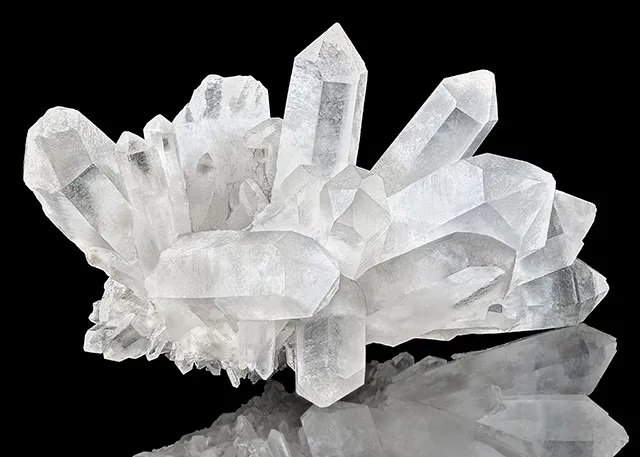
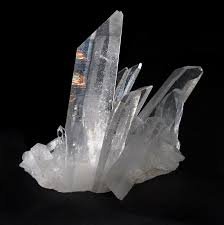
Quartz is a crystalline mineral with a highly ordered atomic structure. Its chemical formula is silicon dioxide (SiO₂). Quartz forms in a variety of environments, including volcanic rocks and sedimentary deposits. It crystallizes from magma and, as the rock cools, quartz crystals develop in different shapes—from slender prisms to large, well-formed crystals.
Quartz is highly stable at the Earth’s surface, which makes it resistant to weathering and erosion. This stability explains why quartz grains are common in sand and sandstone formations. Quartz can be transparent or translucent and appears in various colors caused by impurities or radiation exposure.
Physical Properties of Quartz
Quartz possesses several key physical properties that contribute to its wide usage:
- Hardness: Quartz ranks 7 on the Mohs scale, making it hard and resistant to scratching.
- Transparency and Luster: Pure quartz is transparent with a glass-like (vitreous) luster. Quartz also appears in many colors, including pink, purple, yellow, and brown.
- Crystal Structure: Quartz crystals form in a hexagonal system, often creating six-sided prisms.
- Chemical Stability: Quartz is chemically inert and resists reacting with most chemicals and environmental conditions.
- Piezoelectric Properties: Quartz generates an electric charge under mechanical stress, a property exploited in electronics like watches and sensors.
Varieties of Quartz
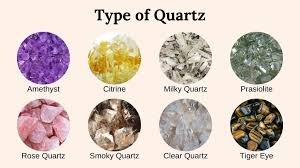
Quartz includes many varieties, differing by color, crystal structure, and inclusions. Some popular types include:
- Clear Quartz (Rock Crystal): Colorless and transparent, used in jewelry and optical instruments.
- Amethyst: Purple quartz colored by iron impurities and radiation, popular in fine jewelry.
- Citrine: Yellow to golden-brown, symbolizing prosperity.
- Rose Quartz: Pink quartz, associated with love and emotional healing.
- Smoky Quartz: Brown to black quartz caused by natural radiation.
- Milky Quartz: White, opaque quartz with a cloudy appearance.
- Rutilated Quartz: Contains needle-like rutile inclusions, creating unique patterns.
- Prasiolite (Green Quartz): Heat-treated amethyst turned green.
- Aventurine: Sparkly quartz with reflective mineral inclusions, commonly green.
- Chrysoprase: Translucent green quartz colored by nickel impurities.
Uses of Quartz
Quartz’s unique properties make it indispensable across various industries:
Jewelry
Gem varieties like amethyst, citrine, rose quartz, and smoky quartz are widely used in rings, necklaces, earrings, and other jewelry.
Electronics
Quartz’s piezoelectricity is crucial in watches, sensors, oscillators, and microelectromechanical systems (MEMS), where it helps maintain precise frequency control.
Construction
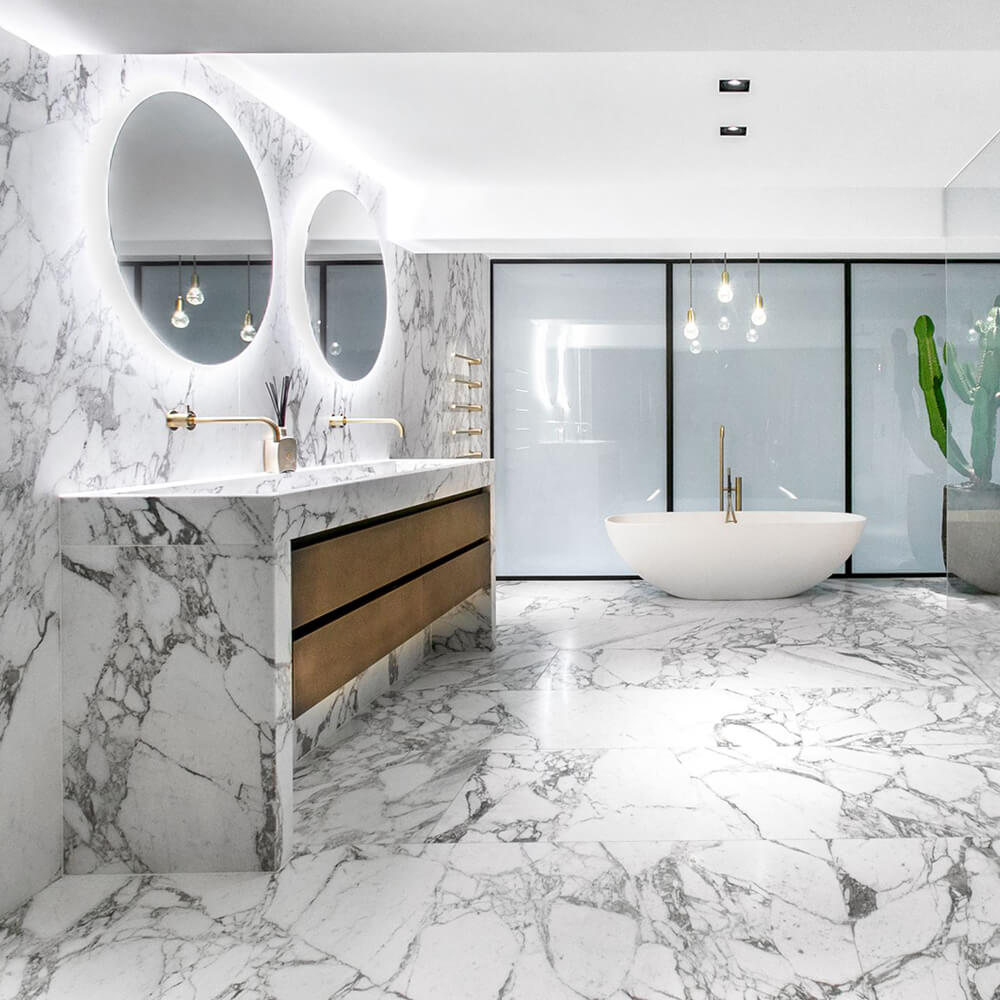
Crushed quartz is used in concrete aggregates, stone flooring, countertops, tiles, and engineered stone products due to its durability.
Glass Manufacturing
Quartz is the main raw material for glass production due to its high melting point and purity.
Optical Industry
Quartz is used to manufacture lenses, prisms, optical fibers, and high-precision optical devices like microscopes and telescopes.
Metaphysical Practices
Quartz is valued in spiritual healing, meditation, and chakra work. Different types are believed to have unique healing properties.
Scientific Industry
Quartz is used in laboratory equipment, including crucibles and beakers, and in semiconductor manufacturing due to its thermal stability and chemical inertness.
Conclusion
Quartz is a mineral of immense scientific, economic, and cultural significance. Its remarkable properties and diverse applications—from fine jewelry to advanced electronics—ensure that quartz remains vital to modern life.
Whether you admire an amethyst pendant, rely on a quartz-powered watch, or benefit from quartz in technology, this versatile mineral continues to shape our world and will do so for generations to come.


Reviews
There are no reviews yet.