







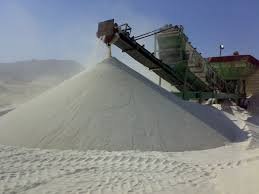
Description
Silica Sand: High-Purity Industrial Sand for Diverse Applications
Silica Sand, also known as industrial sand, is a granular material primarily composed of silicon dioxide (SiO₂) with purity often exceeding 95%. Renowned for its hardness, chemical stability, and high melting point, silica sand plays a vital role across multiple industries including glass manufacturing, construction, electronics, and foundry work.
What is Silica Sand?
Silica sand consists mainly of quartz grains and minor impurities such as feldspar and iron oxide, which influence its color ranging from pure white to beige or brown. Formed naturally through weathering and erosion of quartz-rich rocks, silica sand is found in riverbeds, beaches, and deserts, making it a reliable and abundant raw material.
Key Properties
- High Purity: Typically over 95% silicon dioxide content.
- Hardness: Rated 7 on the Mohs scale, ensuring durability.
- Chemical Stability: Resistant to acids and heat, ideal for high-temperature processes.
- Grain Shape: Usually rounded, aiding smooth flow in manufacturing applications.
- High Melting Point: Around 1710°C (3110°F), suitable for glass and metal casting.
Types of Silica Sand
- High-Purity Silica Sand: Used in glassmaking and semiconductor manufacturing.
- Glass-Grade Sand: Low impurities for superior glass clarity.
- Foundry Sand: Heat-resistant sand for metal casting molds.
- Frac Sand: Durable sand used in hydraulic fracturing.
- Construction Sand: Fine aggregate for concrete and mortar.
- Industrial Sand: Used in ceramics, water filtration, and electronics.
Applications
- Glass Manufacturing: Essential raw material for windows, containers, and fiberglass.
- Construction: Strengthens concrete, mortar, and asphalt mixtures.
- Foundry Industry: Mold and core production for metal casting.
- Hydraulic Fracturing: Keeps underground fractures open during oil and gas extraction.
- Water Filtration: Removes impurities in potable and industrial water systems.
- Abrasives: Sandblasting and surface finishing.
- Electronics: Production of silicon chips and semiconductors.
- Ceramics and Refractories: Heat-resistant kiln linings and ceramic products.
- Paints and Coatings: Enhances texture and durability.
- Agriculture: Improves soil drainage and aeration.
Environmental and Safety Considerations
While silica sand is a natural resource critical to modern industry, its mining must be managed responsibly to minimize environmental impact. Exposure to fine silica dust poses health risks, so protective measures and regulatory compliance are essential during extraction and processing.

Reviews
There are no reviews yet.