






Description
China Clay (Kaolin) – Comprehensive Overview
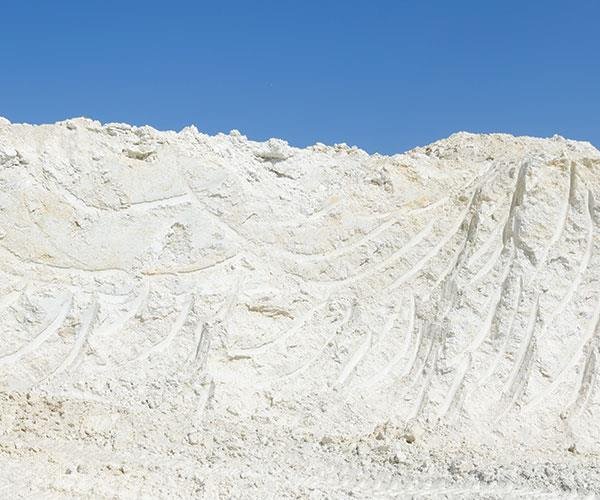
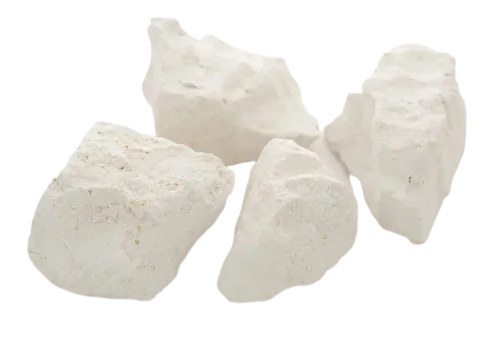
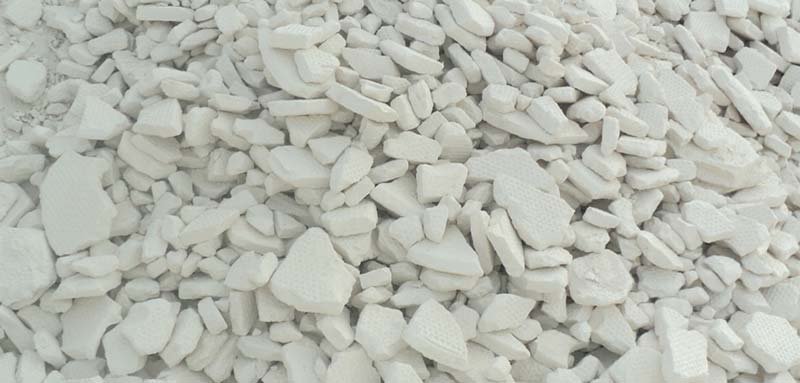
China Clay, also known as Kaolin, is a soft, fine-grained white clay primarily composed of the mineral kaolinite, made up of alumina (Al₂O₃) and silica (SiO₂). Renowned for its purity, fine texture, brightness, and excellent molding properties, China clay is a vital material across multiple industries.
What is China Clay?
China clay derives its name from its historic use in China for porcelain and ceramics. Composed mainly of kaolinite, this clay is characterized by its whiteness, fine texture, plasticity, low shrinkage during firing, and chemical inertness. These properties make it essential for many industrial applications.
Formation and Composition
China clay forms from the weathering of granite rocks rich in feldspar. Over millions of years, feldspar transforms into kaolinite, resulting in deposits rich in kaolin. Commonly found in regions with granite formations—such as China, Brazil, the USA, and the UK—China clay may also contain small amounts of quartz, mica, feldspar, and iron oxide, which influence its color and workability.
Key Physical Properties
- High Whiteness & Brightness: Ideal for products requiring a pure, bright finish.
- Fine Texture: Suitable for ceramics, paper coating, and cosmetics.
- Plasticity: Easily molded, perfect for intricate ceramic designs.
- Low Shrinkage: Minimizes cracking during firing.
- High Fired Strength: Durable and resistant after firing.
- Chemical Inertness: Stable and non-reactive.
- Non-toxic: Safe for applications involving food contact.
Types of China Clay
- Hard-White China Clay: Pure, minimal impurities, used in fine ceramics and porcelain.
- Soft-White China Clay: Contains more impurities, used in industrial ceramics and paper coating.
- Powdered China Clay: Fine powder used in paints, rubber, plastics, cosmetics, and pharmaceuticals.
- Kaolinized China Clay: Highly refined clay for specialized uses.
Applications of China Clay
- Ceramics & Porcelain: Used for pottery, tiles, sanitary ware, and fine china due to its durability and whiteness.
- Paper Industry: Enhances smoothness, brightness, and opacity of papers.
- Paints & Coatings: Acts as a filler to improve texture, opacity, and durability.
- Rubber & Plastics: Increases strength, durability, and dimensional stability.
- Cosmetics & Pharmaceuticals: Used in facial masks, powders, lotions, and as tablet binders.
- Agriculture: Improves soil moisture retention and acts as a pesticide carrier.
- Water Treatment: Removes impurities and clarifies water in industrial applications.
Environmental & Health Considerations
While China clay is non-toxic and safe for use, mining can impact local ecosystems and water resources. Sustainable mining practices and site reclamation are crucial to minimizing environmental harm. Dust control measures are important to protect workers from respiratory risks during processing.
Conclusion:
China clay (kaolin) is an indispensable material with diverse industrial applications. Its unique combination of whiteness, texture, and chemical stability ensures its continued importance in ceramics, paper, cosmetics, pharmaceuticals, and beyond.


Reviews
There are no reviews yet.