






Description
Absolutely! Here’s a clean, well-structured version of your Limestone content, optimized for a website page. It’s organized into sections with clear headings and concise paragraphs for easy reading online.
Limestone: A Comprehensive Overview
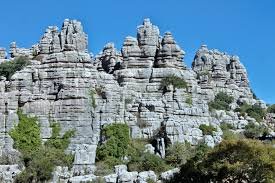
Limestone is a sedimentary rock mainly composed of calcium carbonate (CaCO₃) in the form of calcite or aragonite. It is one of the most abundant and widely used rocks on Earth, serving critical roles across construction, industry, agriculture, and environmental applications. Formed over millions of years by accumulation of marine organisms and chemical processes, limestone is a versatile natural resource with significant economic and environmental importance.
Formation of Limestone
Limestone forms through two primary processes:
- Biological Process: In marine environments, microscopic organisms like corals, shells, and plankton secrete calcium carbonate, which accumulates on the ocean floor, compacts, and solidifies into limestone. Fossilized remains in the rock give it unique textures.
- Chemical Precipitation: Calcium carbonate precipitates from mineral-rich water, often in caves, forming stalactites and stalagmites. This process also contributes to limestone deposits.
Limestone typically occurs in shallow marine environments, ancient ocean beds, lakes, and caves.
Physical and Chemical Properties
- Composition: Mostly calcium carbonate (90-95%), with varying amounts of magnesium carbonate, clay, and iron minerals.
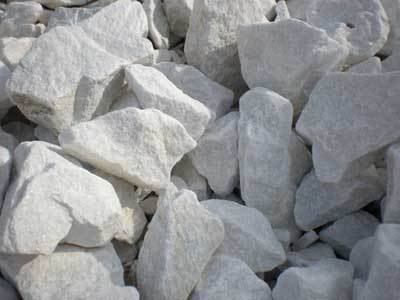
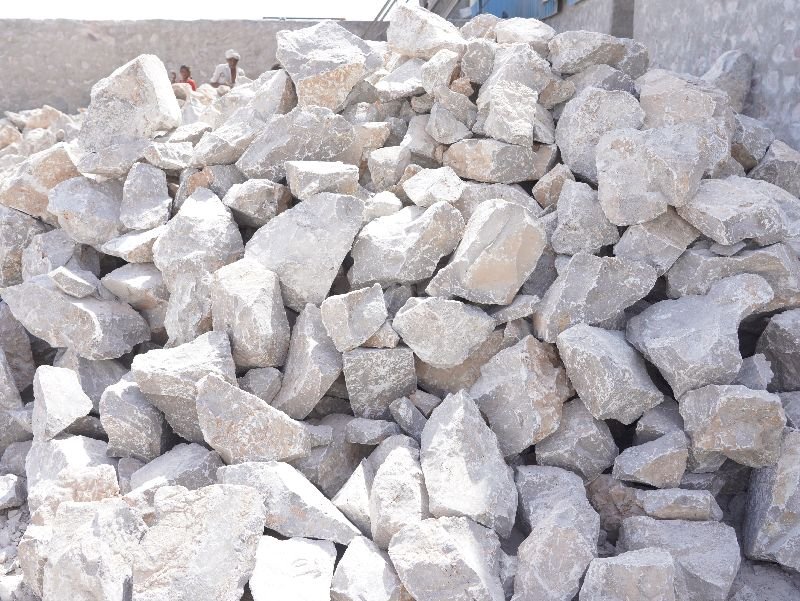
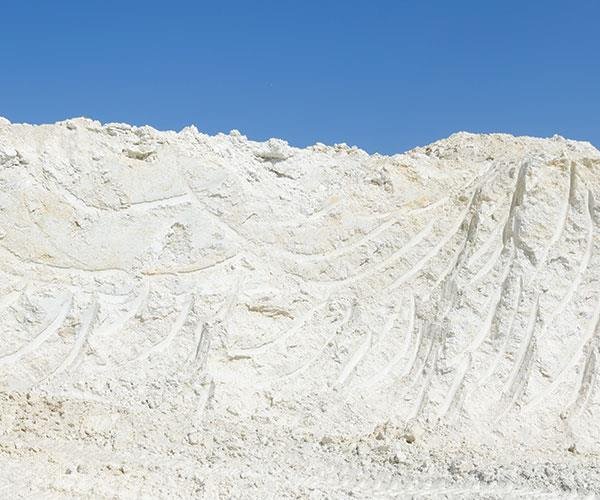
- Color: Ranges from white and beige to grey, brown, or pink depending on impurities.
- Hardness: Relatively soft (Mohs scale 3-4), making it easy to cut and shape.
- Porosity: Often porous, allowing water absorption which can lead to weathering.
- Reactivity: Reacts with acids producing carbon dioxide, water, and calcium salts.
- Texture: Can range from fine-grained to coarse and smooth to rough.
Types of Limestone
- Chalk: Soft, white, porous limestone formed from marine plankton.
- Travertine: Fibrous limestone formed in hot springs and caves; used decoratively.
- Coquina: Composed mostly of shell fragments, commonly found in coastal regions.
- Tufa: Porous, spongy limestone formed near springs and lakes.
- Marble: Metamorphosed limestone, denser and used in sculptures and flooring.
- Fossiliferous Limestone: Contains visible fossils, adding aesthetic and historical value.
Uses of Limestone
Construction & Building Materials
Used for walls, facades, tiles, slabs, and as aggregate in concrete.
Cement Production
Key raw material in making Portland cement, essential for concrete.
Lime Production
Heated limestone produces quicklime and slaked lime, vital in steelmaking, environmental control, and agriculture.
Agriculture
Used to neutralize acidic soils, improving fertility and crop yields.
Industrial Applications
Used in glass manufacturing, iron and steel production, and water treatment.
Water Treatment
Neutralizes acidity and removes impurities from drinking water and wastewater.
Decoration & Landscaping
Valued for aesthetic uses like garden paths, walls, and outdoor features.
Environmental and Economic Significance
Limestone mining supports global economies by providing raw materials for many industries and jobs. However, it must be balanced with sustainable practices to minimize environmental impacts such as habitat disruption, water pollution, and air quality issues.
Conclusion
Limestone is a versatile, widely used natural resource crucial to construction, industry, agriculture, and environmental management. Its unique formation, physical properties, and broad applications make it indispensable for modern development. Responsible mining ensures this vital resource remains available for future generations.

Reviews
There are no reviews yet.